Top 10 Toxic Gas Detectors You Need for Safe Environments?
In today's world, safety in various environments is paramount. Toxic gas exposure poses significant risks to health and safety. Thus, a reliable Toxic Gas Detector is essential for protection. These devices can identify hazardous gases like carbon monoxide or methane. Many industries rely on these detectors to ensure worker safety.
Choosing the right Toxic Gas Detector is crucial. Not all devices are created equal. Some might detect only specific gases. Others may offer advanced features like real-time monitoring. Understanding these differences can help in making informed decisions. It's vital to consider accuracy, response time, and durability.
Awareness of the limitations of each detector is equally important. Some models may require regular calibration. Others might be less effective in extreme conditions. Users should always read reviews and seek expert recommendations. Reliable detectors can save lives, but selecting the wrong one can lead to dire consequences. Effective safety begins with informed choices.
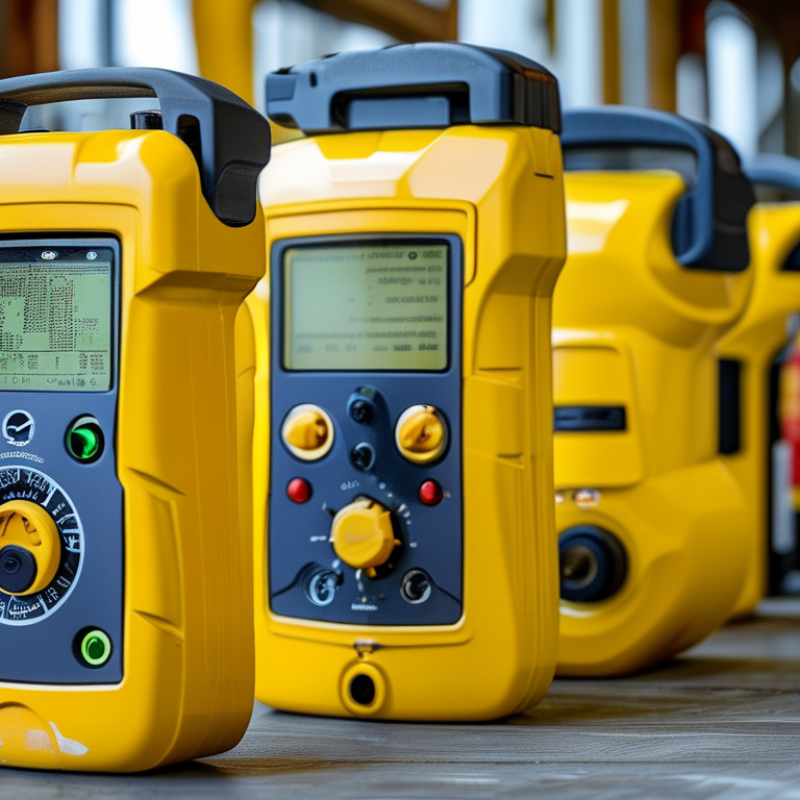
Understanding Toxic Gas and Its Dangers in Various Environments
Toxic gases pose significant risks in various environments, including industrial sites and confined spaces. According to a study by the National Institute for Occupational Safety and Health (NIOSH), exposure to harmful gases can cause severe health issues, including respiratory problems and neurological damage. These hazards often go unnoticed, leading to tragic incidents in workplaces.
In confined areas, gases like carbon monoxide, hydrogen sulfide, and ammonia can accumulate and become lethal. The Occupational Safety and Health Administration (OSHA) reports that even low levels of toxic gases can lead to long-term health effects. Effective monitoring is essential for ensuring safety in these environments. Unfortunately, not all workplaces prioritize gas detection, leading to potential disasters.
Regular training on toxic gas awareness is crucial for workers. Many accidents occur because personnel are uninformed about the risks of these substances. Clear protocols and consistent monitoring using reliable gas detectors can significantly enhance safety measures. However, relying solely on technology is not foolproof. Human vigilance and a culture of safety are equally important to mitigate these dangers.
Key Features to Look for in a Toxic Gas Detector
When selecting a toxic gas detector, it is crucial to focus on key features for safety. Sensitivity is one of the most important attributes. A highly sensitive detector identifies low gas concentrations, providing early warnings. This feature can save lives, especially in confined spaces where gases can accumulate quickly.
Another essential aspect is the detection range. A good detector should cover a wide range of toxic gases. This ensures that regardless of the environment, harmful substances will be detected promptly. Additionally, durability matters. Look for detectors that can withstand harsh conditions, whether in industrial settings or outdoor environments.
User-friendly interfaces cannot be overlooked. A clear display and simple functions allow quick operation, even for non-experts. Some detectors include alarms or visual indicators, which provide immediate feedback. It's vital for operators to feel confident when using these devices. Although many detectors claim efficacy, not all live up to these promises. Continuous evaluation and calibration are necessary to maintain reliability. Therefore, always check for regular maintenance requirements when choosing a detector.
Top 10 Toxic Gas Detectors: Reviews and Comparisons
Toxic gas detectors play a crucial role in ensuring safety. In various environments, exposure to harmful gases can pose significant health risks. These devices can identify dangerous gases like carbon monoxide, hydrogen sulfide, and ammonia. Investing in one is essential for businesses and homes alike.
When choosing a toxic gas detector, several factors come into play. Sensitivity is critical; the device must detect gases at low concentrations. Portability matters too. A lightweight, battery-operated unit offers flexibility. Moreover, battery life can influence reliability in emergency scenarios. Be wary of features that look impressive but may not work effectively.
Testing different models is wise. Reading reviews from various sources can guide your decision. Many users highlight the importance of calibration and regular maintenance. Remember, even the best detectors can fail if neglected. It’s essential to incorporate these tools into safety training. They should be part of routine checks, not just bought and forgotten.
Best Practices for Using Toxic Gas Detectors Safely
Using toxic gas detectors safely is crucial in protecting lives in hazardous environments. Proper training and understanding of equipment are vital. Always read the manufacturer’s instructions. Familiarize yourself with the detector's features and limitations. Misinterpretation can lead to dangerous situations.
Tips: Regular maintenance is essential. Inspect detectors for damage before each use. Ensure the sensors are calibrated correctly. Take note of the expiration dates for calibration and batteries. This can affect accuracy, compromising safety.
Be aware of your surroundings. Know the potential gases in your environment. Training on how to use detectors should include scenarios for different gases. Understanding how to respond in emergencies is key. A quick reaction can save lives, but preparation is necessary. Always have a backup plan. Make sure others know how to use the equipment too. Communication can enhance safety.
Maintenance and Calibration Tips for Reliable Gas Detection
When working in environments where toxic gases may be present, having reliable gas detectors is crucial. However, the effectiveness of these devices heavily relies on regular maintenance and calibration. Research shows that around 25% of gas detection failures stem from improper calibration. Regular inspections can prevent dangerous oversights.
Calibration should be done at least once a year, but certain conditions may require more frequent checks. Factors such as exposure to extreme temperatures or high humidity can affect detector accuracy. Regular checks ensure that the sensors remain responsive to the specific gases they are designed to detect.
To maintain optimal function, avoid exposure of the sensors to corrosive materials or direct sunlight. Simple practices like cleaning the sensors regularly can enhance their lifespan. Remember to document all maintenance activities. This step not only fulfills compliance but also helps in tracking performance over time, noting any anomalies that may need further investigation. Short, routine checks can keep teams safe and environments compliant.
Top 10 Toxic Gas Detectors Performance Comparison



 Close
Close