| Collection and conveyance | Sewer connections, pumping stations, and conveyance infrastructure that deliver municipal wastewater to the treatment facility. | Assess network coverage, inflow and infiltration control, pumping reliability, and compatibility between collection capacity and plant design capacity. |
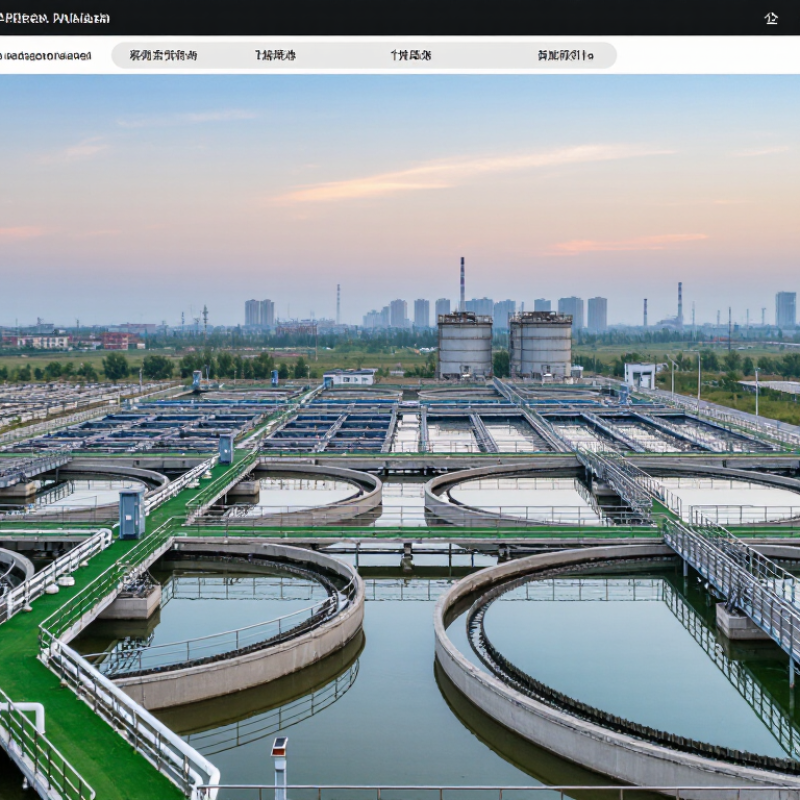
| Treatment process | A project may combine preliminary treatment, biological treatment, secondary clarification, and additional nutrient-removal or polishing processes as required by the discharge target. | Verify that the process design can meet the applicable discharge standard under expected influent and operating conditions. |
| Discharge limits: Class 1A | National pollutant concentration limits commonly used as a reference for stringent municipal wastewater discharge requirements. | COD ≤ 50; BOD5 ≤ 10; SS ≤ 10; ammonia nitrogen ≤ 5 (≤ 8 when water temperature is at or below 12°C); total nitrogen ≤ 15; total phosphorus ≤ 0.5 mg/L. |
| Discharge limits: Class 1B | A less stringent national discharge class than Class 1A; the applicable class depends on the project’s regulatory requirements. | COD ≤ 60; BOD5 ≤ 20; SS ≤ 20; ammonia nitrogen ≤ 8 (≤ 15 when water temperature is at or below 12°C); total nitrogen ≤ 20; total phosphorus ≤ 1.0 mg/L. |
| Discharge limits: Class 2 | Another national discharge class under the same standard; site-specific permits and local requirements should also be checked. | COD ≤ 100; BOD5 ≤ 30; SS ≤ 30; ammonia nitrogen ≤ 25 (≤ 30 when water temperature is at or below 12°C); total nitrogen ≤ 25; total phosphorus ≤ 3.0 mg/L. |
| Sludge management | Sludge thickening, dewatering, transport, and treatment or disposal are important parts of whole-plant planning. | Review sludge quantity assumptions, dewatering performance, end-use or disposal route, and compliance with applicable local requirements. |
| Reclaimed water and resource recovery | Where planned, additional treatment can support non-potable reuse, such as landscape irrigation or industrial applications, subject to the intended use and applicable standards. | Match the treatment train and monitoring plan to the specified reuse purpose; do not assume that discharge compliance alone establishes reuse suitability. |
| Operations and performance verification | Long-term operation includes process control, equipment maintenance, laboratory or online monitoring, and reporting. | Evaluate monitoring coverage, operating-cost assumptions, maintenance arrangements, and documented compliance results against the project’s permit. |



 Close