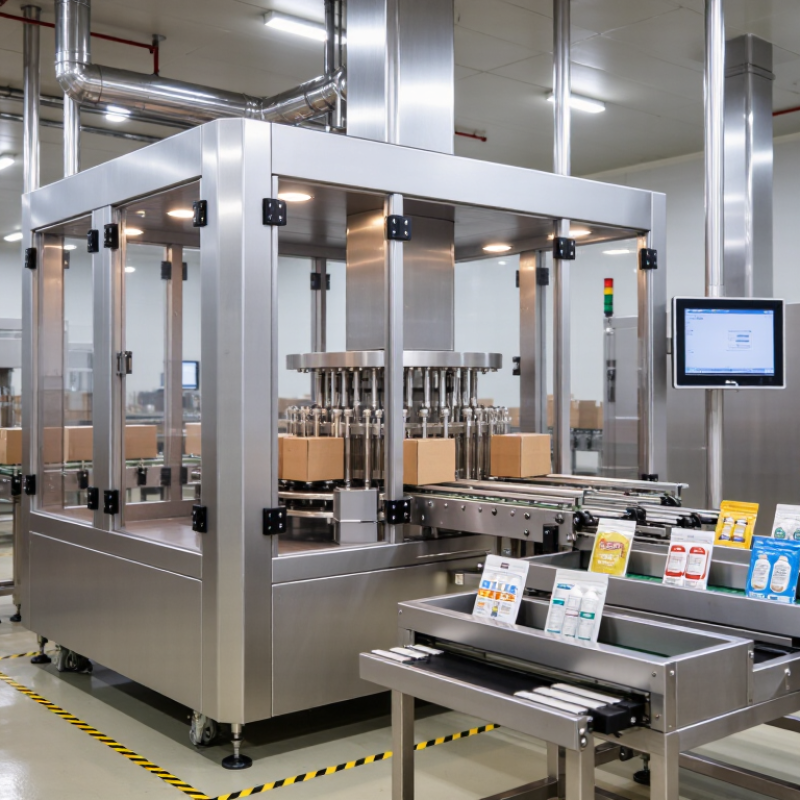
| Cartoning speed | Many intermittent-motion models are offered in the approximate range of 30–100 cartons per minute; output varies by product and configuration. | Request a speed test using the buyer’s actual product and carton, and distinguish rated speed from sustained production output. |
| Carton size compatibility | Carton size is model-specific; machines commonly handle a defined range of length, width, and depth rather than every carton format. | Confirm the minimum and maximum carton dimensions, board thickness, tuck style, and whether change parts are needed. |
| Product feeding | Typical configurations can be paired with manual loading or automatic feeding systems designed for the product format. | Check product orientation, feeding stability, infeed rate, and integration requirements for upstream equipment. |
| Leaflet and insert handling | Leaflet feeders and insert-handling options are available on configured machines; they are not standard on every model. | Confirm leaflet dimensions, folding format, insert count, detection method, and rejection logic. |
| Carton closure | Common closure options include tuck-in flaps; glue closure may be available as a machine configuration. | Specify the carton design and closure method, and test the finished pack for secure, consistent closure. |
| Changeover | Changeover time depends on format differences, adjustment design, and operator experience; no single time applies to all machines. | Ask for a demonstrated changeover between the specific carton formats and a list of required tools and change parts. |
| Controls and fault detection | Configured systems may include a PLC, operator interface, and sensors for carton or product presence. | Verify alarm records, missing-product detection, reject handling, language options, and availability of electrical documentation. |
| Machine footprint and utilities | Footprint and utility needs vary with machine size, feeding equipment, and optional modules. | Obtain the final layout and confirm electrical supply, compressed-air demand, access clearance, and line height. |
| Compliance and documentation | Compliance documentation and certification depend on the destination market and the supplied machine configuration. | Identify applicable local requirements and request relevant declarations, risk assessments, manuals, and test records. |
| Service and spare parts | Support arrangements differ by supplier, export market, and service agreement. | Confirm response times, commissioning scope, training, warranty terms, and recommended spare-parts list. |



 Close