Why is Water Pump Casing Important for Efficiency and Longevity?
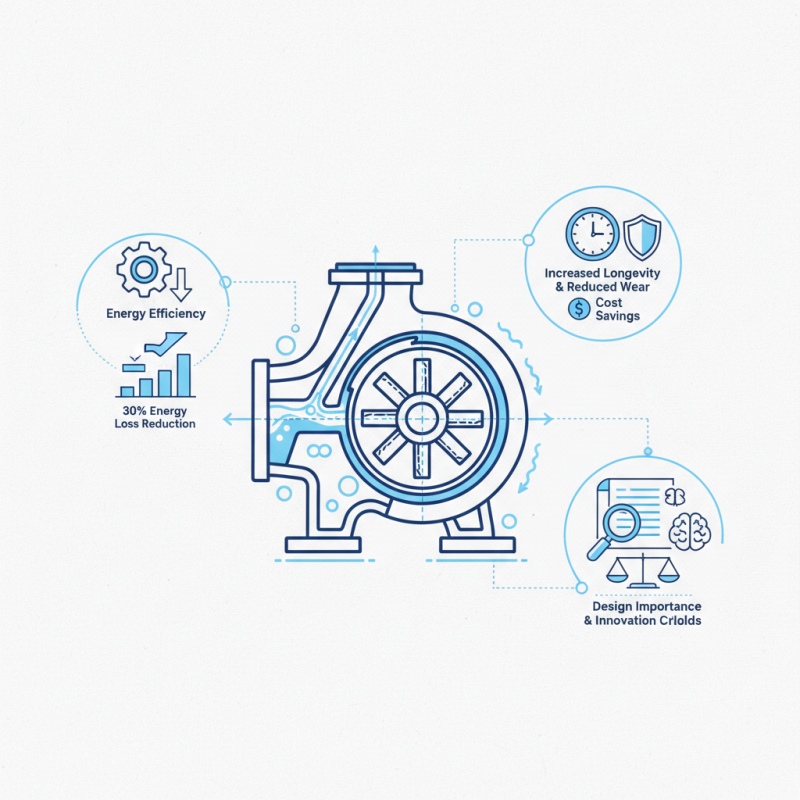
water pump casing plays a critical role in the overall efficiency and longevity of pumping systems. In a recent industry report by the American Society of Mechanical Engineers (ASME), it was highlighted that nearly 30% of all energy losses in pumps stem from inadequate casing design. This statistic emphasizes the need for careful consideration of casing materials and shapes.
Dr. Emily Carter, a renowned expert in fluid dynamics, stated, "The design of water pump casing is essential for performance and can vastly improve lifespan." Her insight underscores the direct connection between effective casing and operational efficiency. A well-designed casing reduces wear and tear, ultimately saving costs related to repairs and replacements.
Many engineers overlook the significance of the water pump casing. Often, they focus too much on other components, neglecting this vital element. This inconsistency in emphasis can lead to inefficiencies. It's crucial to reflect on how casing can influence overall system performance. The challenge lies in balancing design innovation with the practical needs of durability and efficiency.
Importance of Water Pump Casing in Overall Performance
Water pump casing plays a crucial role in a pump's overall performance. A well-designed casing can enhance efficiency significantly. According to the Hydraulic Institute, nearly 70% of all pump failures relate to casing issues. Proper casing materials prevent corrosion and wear, ensuring a longer lifespan for the pump.
Casing vibrations often indicate structural weaknesses. These can lead to reduced efficiency. A study by the American Society of Mechanical Engineers found that pumps with improperly fitted casings lost up to 18% of their operational efficiency. Temperature fluctuations also affect the integrity of the casing.
Evaluating casing design is essential for optimization. Engineers often overlook it, assuming all casings are adequate. This can lead to unnecessary replacements and increased costs. Regular inspections can help identify potential issues early. Understanding the relationship between casing and performance is vital for any sustainable water management strategy.
Factors Affecting the Efficiency of Water Pump Casings
The efficiency of water pump casings is influenced by several key factors. Material selection is crucial. Casings made from durable, corrosion-resistant materials can significantly extend the lifespan of the pump. Common choices include stainless steel and high-grade plastics. The thickness of the casing also matters. Thicker casings often provide better support and reduce vibrations, contributing to better performance.
Another factor is the design of the casing. A poorly designed casing can disrupt water flow. This may lead to cavitation, erosion, and decreased efficiency. The fit of the casing components is vital. Even minor misalignments can create leaks and reduce efficiency. Regular maintenance checks can help identify issues early. However, many overlook small signs of wear and tear. This negligence can have long-term consequences for pump performance.
Lastly, the pump's operating environment plays a role. High temperatures and abrasive materials can wear down casings faster. Operators should consider these conditions when selecting and maintaining water pump casings. Ignoring environmental factors can lead to costly repairs and diminished efficiency over time. Each factor must be carefully evaluated to ensure optimal performance and longevity.
Materials Used in Water Pump Casing Construction
Water pump casings play a crucial role in ensuring efficiency and longevity. The materials used in their construction can significantly impact performance. Commonly, cast iron and stainless steel are preferred choices.
Cast iron offers strength and durability. It withstands high pressure, making it suitable for many applications. Stainless steel, on the other hand, resists corrosion, especially in challenging environments.
Nevertheless, both materials have drawbacks. Cast iron can be heavy, complicating installation. It may also crack under extreme conditions. Stainless steel, while lighter, can be more expensive. Not all projects can justify the investment in higher-grade materials. Some users may overlook the importance of proper material selection. This oversight can lead to early failures or reduced efficiency.
Further, composite materials are emerging as viable alternatives. They can provide a balance between weight and durability. However, reliability under continuous use remains a concern. Potential users should carefully evaluate their specific needs. Understanding the implications of material choices can help extend the life of water pumps.
Impact of Water Pump Casing on Maintenance and Longevity
Water pump casing plays a vital role in the overall maintenance and longevity of water pumps. A sturdy casing protects the inner components from dust, debris, and corrosion. When the casing is compromised, even a small crack can lead to larger issues. For instance, leaks might develop, leading to inefficiencies. This not only increases operational costs but also demands more frequent repairs.
Regular inspection of the casing helps in catching potential issues early. In many cases, minor wear and tear can be addressed without major overhauls. However, neglecting this can escalate into significant damage. The materials used in casing construction are key to durability. Cheaper materials may reduce initial costs but often lead to quicker wear. Over time, this puts additional strain on the entire pump system.
Maintenance routines should include checking for casing integrity. Even environmental factors can impact its performance. For example, exposure to extreme temperatures can weaken certain materials. A proactive approach allows for timely replacements and repairs. However, many overlook the casing's condition. This is where reflection is essential; recognizing its importance might improve efficiency and extend the life of the pump.
Impact of Water Pump Casing on Efficiency and Longevity
Common Issues Associated with Poor Quality Water Pump Casings
The water pump casing plays a crucial role in maintaining efficiency and longevity. When casings are of poor quality, several issues can arise. For instance, inadequate sealing can lead to leaks. According to the American Society of Mechanical Engineers, around 40% of pump failures are attributed to casing-related problems.
Another common problem is corrosion. When a casing fails to resist corrosion, it can weaken over time. Reports indicate that corrosion-related issues can reduce a pump's lifespan by 50%. This loss not only impacts operational costs but also increases maintenance needs. The imperfections in low-quality materials are sometimes hard to identify until damage occurs.
Tips: Regular inspections can prevent some of these issues. Look for signs of wear or corrosion in the casing. Implement routine maintenance checks to catch problems early.
Lastly, vibration can widen cracks in poorly designed casings. Managing vibrations is essential to protect the casing. Even small vibrations can lead to significant issues over time. Assessing the pump's operation environment is key. Address these concerns early to ensure a longer-lasting water pump system.


 Close
Close