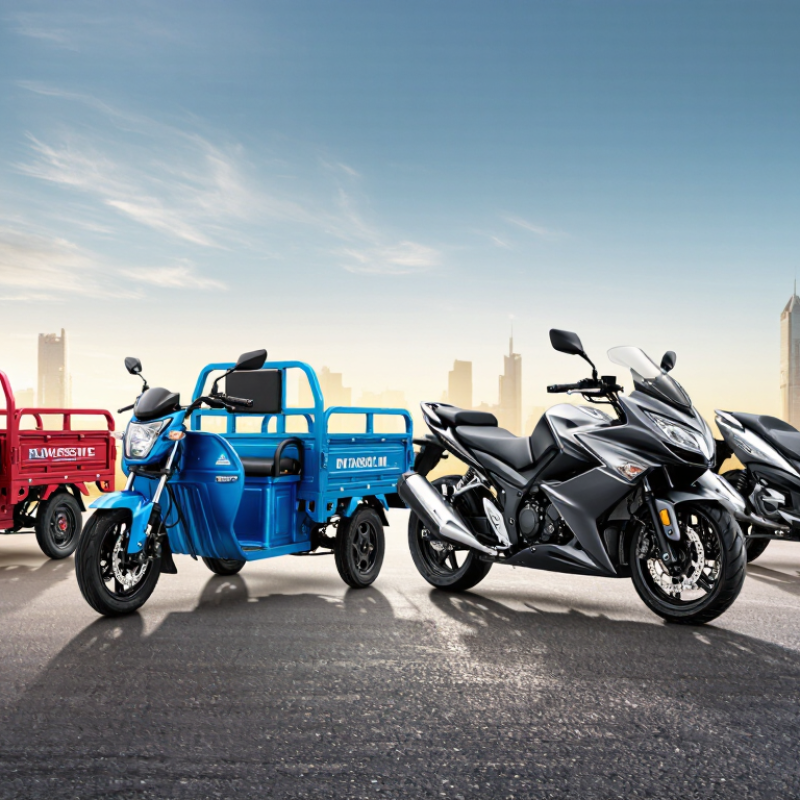
| Passenger Scooter Tricycle | One front wheel and two rear wheels | Petrol engine or electric motor; step-through frame is common | Approximately 100–250 cc petrol engine or 1.5–5 kW electric motor | Automatic CVT on many petrol models; chain or hub-motor drive on electric versions | Approximately 150–300 kg, including passengers | Short-distance passenger transport, family travel, and local commuting | Easy entry, stable at low speeds, practical seating, and relatively simple controls | Less agile than a two-wheel scooter; braking, suspension, and frame strength vary by specification |
| Reverse Trike | Two front wheels and one rear wheel | Petrol engine or electric drive | Approximately 150–500 cc petrol engine or 3–8 kW electric motor | CVT, manual, or automatic transmission depending on design; rear-wheel drive is common | Approximately 180–350 kg, including rider and luggage | Road touring, recreational riding, and riders seeking enhanced front-end stability | Strong braking potential, improved front-cornering confidence, and better resistance to front-wheel lift | Wider front section, higher purchase and maintenance complexity, and greater turning effort |
| Cargo Motorcycle Tricycle | One front wheel and two rear wheels with a rear cargo bed | Petrol, diesel, or electric powertrain | Approximately 150–300 cc petrol engine, 5–12 hp diesel engine, or 2–8 kW electric motor | Manual gearbox, reverse gear on many utility models, or reduction gearing for electric versions | Approximately 300–1,000 kg, depending on frame, axle, brakes, and local regulations | Agricultural work, construction supply, market delivery, and rural transportation | High load capacity, simple construction, low-speed pulling ability, and easy cargo loading | Limited high-speed stability, longer stopping distances when loaded, and reduced comfort on rough roads |
| Electric Cargo Tricycle | One front wheel and two rear wheels; open or enclosed cargo body | Battery-electric motor with lead-acid or lithium battery options | Approximately 1.5–8 kW motor; typical battery systems range from 48–72 volts | Direct hub drive or geared rear-axle drive; reverse function is common | Approximately 200–800 kg, depending on vehicle size and battery configuration | Urban delivery, warehouse transport, campus service, and low-speed commercial routes | Low operating noise, no tailpipe emissions, simple routine maintenance, and good low-speed torque | Range decreases with heavy loads, hills, cold weather, and frequent stops; charging time must be planned |
| Enclosed Utility Tricycle | One front wheel and two rear wheels with a covered cabin or cargo compartment | Petrol, diesel, or electric powertrain | Approximately 150–300 cc petrol engine, small diesel engine, or 2–8 kW electric motor | Manual gearbox, CVT, or electric reduction drive | Approximately 250–700 kg, including occupants and cargo | All-weather delivery, small-business transport, and passenger service in compact towns | Protection from rain and sun, secure cargo area, and better daily practicality than an open tricycle | More body weight, higher energy consumption, limited ventilation, and more difficult servicing of enclosed components |
| Heavy-Duty Three-Wheel Motorcycle | One front wheel and two reinforced rear wheels or rear axles | Large-displacement petrol or diesel engine; some models use high-output electric drive | Approximately 250–500 cc petrol engine, 8–15 hp diesel engine, or 5–15 kW electric motor | Manual transmission with low gears and reverse; reinforced differential or solid rear axle | Approximately 600–1,500 kg, subject to chassis and road regulations | Heavy rural hauling, agricultural operations, and demanding commercial transport | Strong frame, low-speed pulling power, durable driveline, and greater capacity than light utility models | Higher fuel or battery consumption, slower acceleration, greater tire wear, and stricter licensing requirements in some markets |
| Leaning Three-Wheel Motorcycle | Two wheels at one end and a linked suspension system that allows the vehicle to lean | Usually petrol; electric versions are also possible | Approximately 150–500 cc petrol engine or 3–10 kW electric motor | CVT, manual, or automatic transmission; mechanical or electronically assisted leaning systems | Approximately 150–300 kg, including rider and luggage | Urban commuting and riders who want motorcycle-like cornering with additional low-speed support | More natural cornering than a rigid tricycle, improved braking stability, and enhanced rider confidence | More complicated suspension and steering mechanisms, higher service demands, and limited cargo capacity |
| Passenger-and-Cargo Combination Tricycle | One front wheel and two rear wheels with a rear passenger bench and flexible cargo area | Petrol or electric powertrain | Approximately 125–250 cc petrol engine or 2–6 kW electric motor | Manual gearbox, CVT, or geared electric drive | Approximately 250–600 kg, depending on seating and cargo configuration | Local shuttle service, village transport, and mixed passenger-and-goods trips | Versatile layout, practical seating, low operating cost, and useful carrying flexibility | Compromised comfort when fully loaded, moderate performance on slopes, and variable safety equipment |



 Close
Close