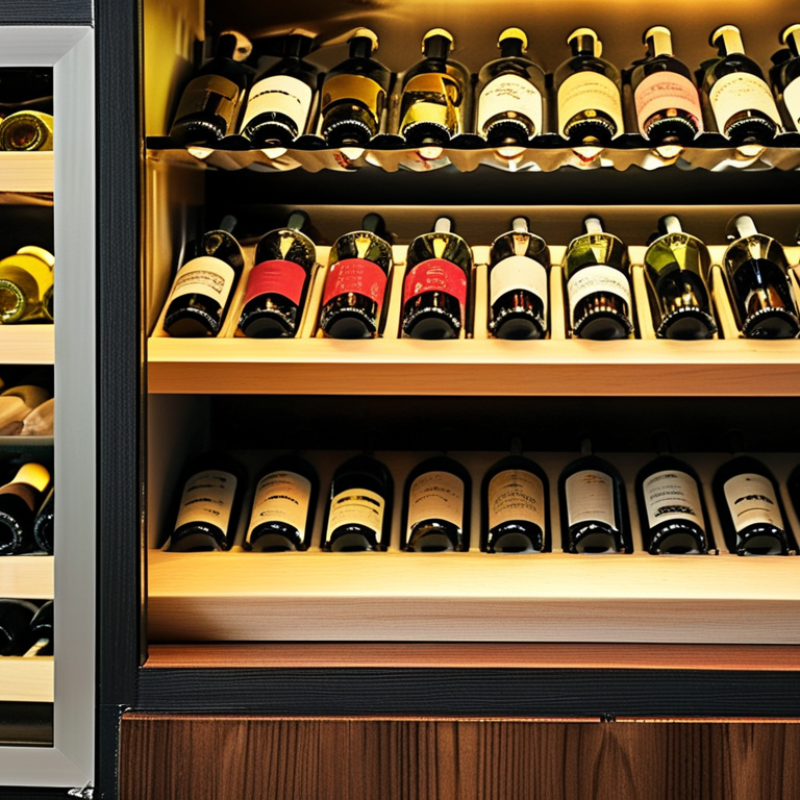
| Stable serving and storage conditions | Electronic temperature control with a practical range of approximately 5–20°C (41–68°F) | Different wine styles require different serving temperatures, while stable conditions help reduce premature aging and flavor imbalance. | Staff can serve white, sparkling, rosé, and red wines closer to their intended temperatures. |
| Protection from temperature fluctuations | Digital display, thermostat accuracy, and an alarm for temperature deviation or an open door | Frequent temperature changes can accelerate chemical reactions and negatively affect wine development. | Employees can respond quickly before stock quality or service reliability is affected. |
| Appropriate humidity management | A well-sealed cabinet with controlled airflow; for cork-sealed bottles, aim for storage humidity around 50–80% where practical | Moderate humidity helps reduce the risk of cork drying while avoiding excessive moisture that may encourage mold or label damage. | Bottles remain presentable and are less likely to develop packaging issues during display. |
| Light protection | Solid or UV-resistant glass door, low-heat interior lighting, and limited direct sunlight exposure | Ultraviolet and strong visible light can contribute to unwanted chemical changes, especially in delicate wines. | Customers see bottles clearly without the cabinet becoming a source of heat or glare. |
| Low vibration operation | Quiet compressor design, vibration-reducing feet, and stable shelving | Reducing unnecessary movement supports gentle handling of wine during storage, particularly for longer-term inventory. | The unit operates more quietly in dining rooms, tasting areas, bars, and hotel spaces. |
| Efficient use of limited floor space | Adjustable shelves, removable racks, and a capacity plan based on actual bottle mix rather than nominal bottle count | Bottle shapes vary considerably; flexible storage prevents overcrowding and improves airflow around the stock. | Staff can locate products faster and present a more organized selection to customers. |
| Safe commercial operation | Door lock, sturdy anti-tip shelving, corrosion-resistant interior, and a design suitable for frequent access | Secure and durable construction helps protect inventory and maintain consistent storage conditions during busy service periods. | The wine area looks professional and reduces the risk of accidental stock damage. |
| Energy and operating cost control | Insulated cabinet, automatic door seal, energy-efficiency information, and adequate ventilation clearance | Good insulation and ventilation help the refrigeration system maintain its set point without unnecessary workload. | Lower operating demands can support more predictable business costs and a quieter environment. |
| Clear stock rotation and inventory control | Front-facing shelves, visible labels, and space for grouping wines by style, vintage, or service temperature | Organized rotation helps reduce extended storage of opened or slow-moving inventory and supports consistent handling. | Servers can recommend and retrieve wines more confidently during peak periods. |
| Hygiene and maintenance | Removable shelves, easy-clean surfaces, accessible drip management, and a clear maintenance schedule | Regular cleaning helps prevent odors, residue, and contamination from affecting the storage environment. | A clean, well-maintained display reinforces customer trust and supports efficient daily operations. |



 Close
Close