Our company only collects the necessary data and respects your privacy, in accordance with the General Law for the Protection of Personal Data 13.709/2018. By continuing, you confirm that you have read and accepted the Privacy Notice. Privacy Policy.

Medal Pt Br Medal Es

Medal Group

Why Choose a Slitting and Rewinding Machine?

A slitting and rewinding machine turns wide rolls into narrower rolls ready for converting, packing, or shipment. The choice matters on the production floor. A clean edge, steady tension, and accurately aligned rewind can reduce scrap and avoid delays. Small details count: a roll that telescopes, a wandering web, or a blade that needs frequent adjustment can disrupt an otherwise efficient shift.

The right machine depends on the material, target widths, roll dimensions, and required output. Film, paper, foil, and laminates do not behave alike under tension. Operators also need practical access to blades, shafts, and controls—not just an impressive speed rating. A careful assessment should include changeover time, finished-roll quality, safety features, service support, and the skill level of the crew. Fast is not always better.

A useful shop-floor principle is: “Control the web, and you control the result.” This is an original line, not a sourced quotation. No verifiable expert quotation or name was provided, so attributing it to a real industry specialist would be misleading. Buyers should compare machine specifications with actual production samples and discuss material limits with qualified suppliers. Ask for a trial. Inspect the edges. Measure tension consistency. The best choice is the machine that performs reliably on your materials, day after day—even if the first specification sheet does not make that obvious.

Why Choose a Slitting and Rewinding Machine?

What a Slitting and Rewinding Machine Does

Why Choose a Slitting and Rewinding Machine?
What a Slitting and Rewinding Machine Does

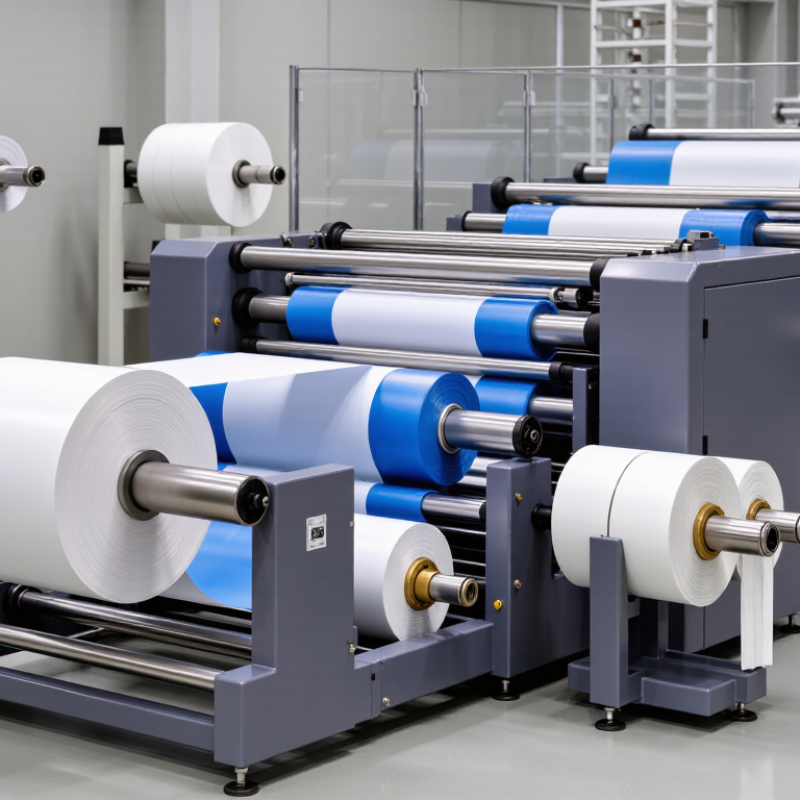
A slitting and rewinding machine converts a wide roll of material into narrower rolls ready for printing, packaging, or further processing. The machine unwinds the parent roll, guides the web past rotary or razor knives, then winds each slit lane onto a core. Operators adjust blade spacing, web tension, and winding pressure to suit the material. That matters. A thin film can stretch or wrinkle if tension is poorly set; paper may telescope if winding is uneven.

The machine can also support edge trimming and removal of damaged sections, depending on its configuration. Grand View Research’s Flexible Packaging Market Size, Share & Trends Analysis Report estimated the global flexible packaging market at USD 261.59 billion in 2022, with a projected 4.5% compound annual growth rate from 2023 to 2030. That market context makes accurate roll conversion important, though a slitter rewinder alone cannot guarantee finished-product quality. In practice, the first setup is rarely perfect; operators still need to check edges, roll hardness, and alignment during production.

Tips: Match knife type and tension settings to the substrate. Test a short run first, then inspect the roll edges and unwind behavior. Record settings that work, but recheck them when material thickness or supplier batches change.

Why Choose a Slitting and Rewinding Machine?

What a Slitting and Rewinding Machine Does

A slitting and rewinding machine cuts a wide roll of material into narrower lanes and rewinds each lane into a roll. This illustrative setup shows a 1,200 mm web divided into six 200 mm lanes; the lane widths add up to the original web width. Actual machine settings depend on the material and production requirements.

How the Slitting and Rewinding Process Works

Why Choose a Slitting and Rewinding Machine?

How the Slitting and Rewinding Process Works

A slitting and rewinding machine converts a wide parent roll into narrower rolls for later production or packaging. The operator mounts the roll on an unwind stand and threads the material through guide rollers. These rollers help keep the web aligned as it moves toward the cutting section. Small alignment errors can become visible defects across a long run.

At the slitting station, rotary or razor knives divide the moving web into strips. Knife spacing determines each strip’s width, while suitable blade pressure helps produce clean edges. The separated strips then travel to rewind shafts, where controlled tension winds them around cores. Tension must suit the material: too much may stretch thin film, while too little can leave loose, uneven rolls. Operators check roll edges, winding firmness, and web tracking during production. A short test run is useful. It can reveal setup problems before they affect more material, though even careful adjustments may need repeating when material thickness or elasticity varies.

Which Materials and Industries Use These Machines

Slitting and rewinding machines handle wide rolls by cutting them into narrower rolls and winding them for later use. Common materials include paper, plastic film, aluminum foil, nonwoven fabric, and flexible laminates. Each behaves differently. Thin film may stretch under excess tension, while foil can crease or tear if the blade setup is unsuitable. Paper grades vary too, from lightweight tissue to heavier label stock.

These machines serve packaging, printing, converting, and label production. A packaging converter might slit printed film into rolls sized for a filling line. A label producer may need clean edges and consistent winding to prevent problems during application. Nonwoven materials are used in products such as wipes and hygiene items, where roll width and tension affect downstream processing. Medical and industrial suppliers also convert specialty webs, but material requirements differ by product. Details matter.

In practice, the material list can be misleading: two films of similar thickness may unwind very differently. Operators often check blade condition, web tension, and finished-roll alignment during setup. Small adjustments help. Still, no single machine setting suits every material, and trial runs can reveal issues that specifications alone miss.

What Benefits These Machines Offer

A slitting and rewinding machine converts wide master rolls into narrower rolls ready for printing, pouch making, or shipment. Its benefits are practical: adjustable blades create consistent widths, while controlled tension helps prevent wrinkles, loose edges, and telescoping rolls. Operators can also prepare several slit rolls in one pass, reducing repeated handling. On a busy line, that means fewer awkward roll changes and more predictable downstream feeding. Small setup errors still matter.

The Flexible Packaging Association’s 2024 State of the U.S. Flexible Packaging Industry report estimated 2023 sales at $42.9 billion. That scale makes dependable converting important, though a machine alone cannot guarantee higher output. Eurostat reported that EU packaging waste reached 186.5 kilograms per person in 2022. Accurate slitting can help limit unusable edge trim, but actual savings depend on material, blade condition, and setup discipline. This part is easy to overlook. A careful operator checking roll edges and tension can prevent defects that would otherwise travel into later production stages. For buyers, useful comparisons include changeover time, width tolerance, trim handling, and whether controls make repeat jobs straightforward. The fastest machine is not always the most productive one.

How to Choose a Machine for Your Production Needs

Choosing a slitting and rewinding machine starts with the material, not the advertised maximum speed. Paper, film, foil, and laminated stock behave differently under tension. Record the roll width, thickness, finished slit width, core size, and typical roll diameter you actually run. A machine sized for occasional wide rolls may be awkward on frequent narrow jobs. Small details matter.

Match the slitting method to your edge requirements and material. Razor cutting can suit some thin films, while shear or crush cutting may work better for other substrates; confirm with sample trials. Ask how tension is set and monitored across unwind and rewind. Uneven tension can cause telescoping rolls, wrinkles, or loose edges. Check changeover time, shaft handling, and trim-waste removal too. Operators feel these differences every shift.

Compare realistic output, not just top speed. Include loading, splicing, inspection, and roll removal in the cycle. A short demonstration using your own material can reveal vibration, dust, edge quality, and whether controls are clear with gloves on. No selection is perfect. I would leave some capacity for future products, but not pay for width or automation your workflow will rarely use. Predicting next year’s product mix is difficult; review that estimate with production staff and revise it as demand changes.

Why Choose a Slitting and Rewinding Machine? - How to Choose a Machine for Your Production Needs

Use this guide to match machine features to your material, roll format, and production goals. Requirements vary by material and process; confirm final specifications with production trials and the machine supplier.

Production need Typical materials or job Machine features to consider Key checks before purchase
Frequent short runs and changing orders Labels, flexible packaging, paper, and other narrow-web jobs Quick setup, accessible controls, recipe storage, and tooling suited to the required slit widths Changeover time, operator training, minimum slit width, and how easily settings can be repeated
Consistent, high-volume production Long runs of film, paper, foil, or laminated webs Stable tension control, suitable drive capacity, automatic functions, and dependable roll handling Usable running speed on your material, uptime, roll-change time, and actual output after setup and stops
Delicate or stretch-sensitive webs Thin films, foils, and materials that crease, stretch, or wrinkle easily Fine tension adjustment, suitable web guiding, and a winding method matched to the material Tension range, edge alignment, wrinkle control, and finished-roll quality during a material trial
Thick, stiff, or heavier webs Heavy paper, thicker film, foil laminates, or other demanding rolls Appropriately rated shafts, loading equipment, braking, and roll-support components Maximum roll weight and diameter, shaft capacity, material handling, and safe loading procedures
Multiple narrow finished rolls Jobs requiring several slit lanes or precise finished widths A suitable knife arrangement, stable winding, and accessible finished-roll removal Number of lanes, width tolerance, trim removal, roll hardness, and finished-roll handling
Different core and roll formats Production with varying core diameters, roll widths, or finished-roll diameters Compatible shafts or core adapters, adjustable setup, and capacity for the intended roll sizes Specify core inside diameters, maximum finished-roll diameter, roll width, and roll weight
Quality-sensitive converting Printed, coated, laminated, or other webs where defects and edge quality matter Accurate web guiding, appropriate slitting tools, controlled winding, and inspection access Edge finish, telescoping, wrinkles, surface marking, and consistency across the full roll
Limited floor space or staffing Small production areas or operations with a compact team A layout that allows safe loading, unloading, threading, and maintenance; automation matched to staffing Machine footprint, operator access, material-flow space, guarding, and service clearance

Selection tip: Share sample material, web width, target slit widths, input and finished-roll dimensions, core sizes, roll weights, and expected production volume when requesting a quotation. Ask for a trial using your actual material.