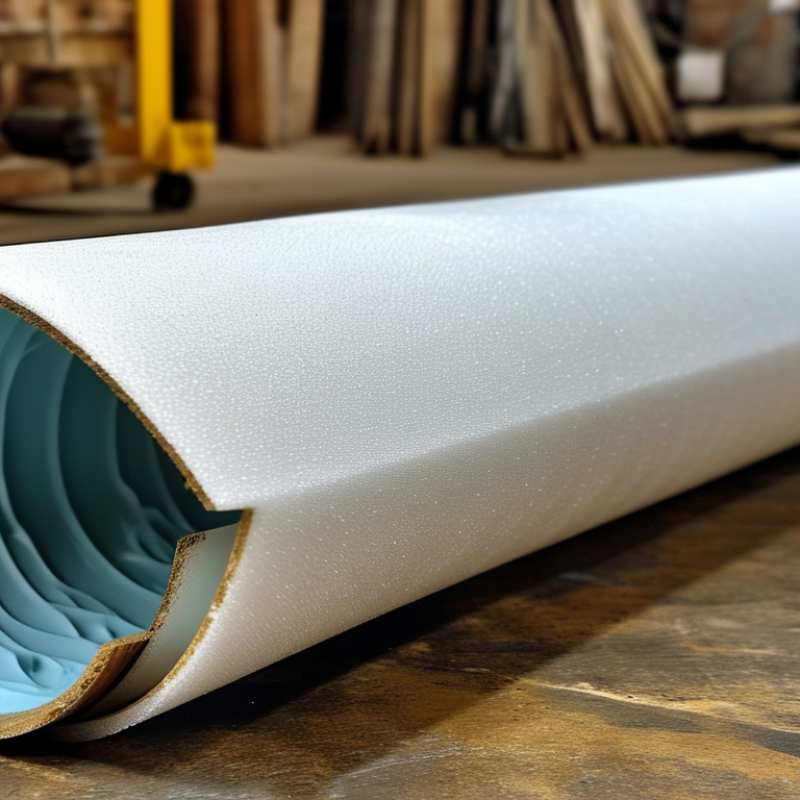
Why Choose Rubber Foam Insulation Tube for Your Projects?
rubber foam insulation tube is gaining popularity in various construction and DIY projects. Its lightweight design offers significant benefits. Many professionals trust its performance and durability. This material provides excellent thermal insulation, making it ideal for different applications.
Moreover, rubber foam insulation tube is easy to install. Its flexibility allows it to fit snugly around pipes and ducts. This adaptability is essential for achieving optimal energy efficiency. However, choosing the right insulation can be challenging. Not all projects require the same materials.
Potential buyers must consider factors like climate and environment. Some may overlook the advantages of using rubber foam. Yet, it often proves to be a reliable solution. It minimizes heat loss and protects against moisture. Overall, rubber foam insulation tube stands out as a dependable choice for many insulation needs.
Benefits of Using Rubber Foam Insulation Tubes in Construction Projects
Rubber foam insulation tubes offer significant benefits for construction projects. These materials are lightweight yet durable, making them easy to handle during installation. Studies reveal that using rubber foam can reduce energy loss by up to 30% compared to traditional insulation methods. This efficiency translates to lower energy bills for building owners.
Another advantage is their flexibility. Rubber foam tubes can easily conform to various shapes and sizes of pipes. This adaptability minimizes gaps and helps maintain an effective insulation barrier. A report from the U.S. Department of Energy emphasizes that proper insulation can improve a building's energy performance significantly. Furthermore, rubber foam is resistant to moisture and mold, enhancing indoor air quality.
Using rubber foam insulation tubes also aligns with sustainability goals. Since they help reduce energy consumption, they contribute to lower carbon footprints. Organizations like the American Council for an Energy-Efficient Economy highlight the necessity for sustainable materials in construction. However, not all projects may fully benefit from rubber foam. In some cases, alternative materials could offer better cost-effectiveness or ease of installation, necessitating careful project assessments.
Comparison of Rubber Foam Insulation with Other Insulation Materials
Rubber foam insulation offers distinct advantages over traditional materials. It excels in thermal resistance, maintaining temperature effectively. Unlike fiberglass, rubber foam doesn’t irritate the skin. This makes it safer to handle during installation. Additionally, its closed-cell structure prevents moisture infiltration, reducing the risk of mold.
When comparing rubber foam to rigid foam boards, the former is more flexible. This flexibility allows for easy installation around pipes and irregular surfaces. It also helps reduce noise transmission, providing better acoustic insulation. While rigid foam may offer slightly higher thermal resistance, it is often bulkier and harder to fit into tight spaces.
Reflecting on these aspects, one must consider the specific project needs. Rubber foam insulation may not always be the cheapest option, yet its ease of use can save time and labor costs. Not all projects require high R-values, so assessing your priorities is key. Proper evaluation ensures you choose the right insulation for your specific application.
Applications of Rubber Foam Insulation in Various Industries
In various industries, rubber foam insulation tubes are increasingly popular. Their lightweight and flexible properties make them ideal for construction, HVAC, and refrigeration applications. For instance, in the construction sector, the global rubber insulation market is expected to reach USD 15.2 billion by 2026, driven by energy efficiency regulations (Source: Market Research Report). This material not only serves thermal insulation needs but also provides soundproofing qualities.
In HVAC systems, rubber foam insulation helps prevent energy loss. According to the U.S. Department of Energy, uninsulated ducts can lose up to 30% of energy. Using rubber foam can significantly improve system efficiency. Additionally, these tubes resist moisture and mold, which are common issues in humid environments. In refrigeration, rubber foam insulation ensures temperature control, making it critical for food preservation and safety.
Tips: Select the right thickness of insulation based on the environment. Thicker insulation can handle extreme temperatures better but may be more costly. Always consider moisture resistance for areas prone to humidity. Remember, while rubber foam is versatile, it's essential to evaluate its compatibility with other materials used in your project. Aim for an informed, careful selection process.
Installation Techniques for Rubber Foam Insulation Tubes
Rubber foam insulation tubes are popular for various projects. They offer both flexibility and efficiency. Installation techniques play a crucial role in maximizing their benefits. Proper surface preparation is vital. Begin by cleaning the pipes or surfaces where the insulation will be applied. Dust and moisture can hinder adhesion, leading to potential issues.
When cutting the tubes, avoid jagged edges. Make clean, straight cuts to ensure a snug fit. This prevents gaps where heat can escape. Use a sharp utility knife for precision. Easy application is another significant advantage. Simply wrap the insulation around the pipes and secure it in place. Using adhesive tape or snaps can enhance stability.
Remember, not every project will go perfectly. Issues may arise during installation. It’s essential to assess and adjust as needed. If misalignment occurs, re-evaluate the spacing. Learning from these challenges can lead to improvements in future efforts. Properly installed rubber foam insulation can greatly enhance energy efficiency. Yet, maintaining awareness of potential pitfalls will ultimately lead to more effective insulation practices.
Cost-Effectiveness and Longevity of Rubber Foam Insulation Solutions
Rubber foam insulation tubes offer notable cost-effectiveness and longevity for a variety of projects. They are lightweight and easy to handle, making installation straightforward. This simplifies labor costs and reduces installation time significantly. The material is also resistant to moisture and temperature fluctuations, which extends its lifespan. A project using these tubes may last longer, leading to cost savings in replacements and repairs.
Moreover, rubber foam insulation has a high insulation value, which improves energy efficiency. When properly installed, it minimizes heat loss, leading to lower energy bills. However, some may question its performance in extreme conditions. While generally reliable, it's important to consider specific environmental factors. Oversights here could lead to diminished effectiveness. Invest time in assessing needs to maximize the benefits of rubber foam insulation, ensuring that it aligns with project goals and conditions.
Cost-Effectiveness of Rubber Foam Insulation
This bar chart illustrates the cost-effectiveness of rubber foam insulation. It presents key financial metrics such as initial cost, projected energy savings over a 5-year period, expected lifespan, and estimated maintenance costs. By comparing these aspects, you can assess how rubber foam insulation provides long-term value for your insulation needs.


 Close
Close