Why Choose a Sewer Line Cleaning Machine?
Choosing a Sewer Line Cleaning Machine is a practical decision, not just a matter of buying the most powerful unit. The right machine should match the pipe’s diameter, access points, and likely blockage. Grease, roots, and compacted debris can call for different cleaning methods. A mismatch may waste time or damage fragile pipes. That matters.
A practical, illustrative note from fictional sewer-maintenance specialist Jordan Hale captures the trade-off: “Choose for the blockage and pipe—not for the biggest motor.” This is not a verified quotation, but it reflects a sound selection principle. Buyers should compare cable reach, cutting-head options, water pressure where relevant, portability, and routine maintenance. Check the machine’s specifications against the work it will actually perform. A heavy unit may suit a service truck, yet feel awkward in a narrow basement. Small details count.
This guide explores why a dedicated Sewer Line Cleaning Machine can improve control, consistency, and job-site efficiency. It also considers limits. No machine clears every line, and equipment cannot replace inspection or sound operating judgment. Ask how quickly common wear parts can be replaced. Consider who will operate the unit, too. Even good equipment can underperform when setup is rushed. A little doubt is useful here: confirm the pipe condition before choosing a tool. The best choice is usually the one that fits the job safely and reliably, not the one with the flashiest specifications.
What a Sewer Line Cleaning Machine Is
Why Choose a Sewer Line Cleaning Machine?
What a Sewer Line Cleaning Machine Is
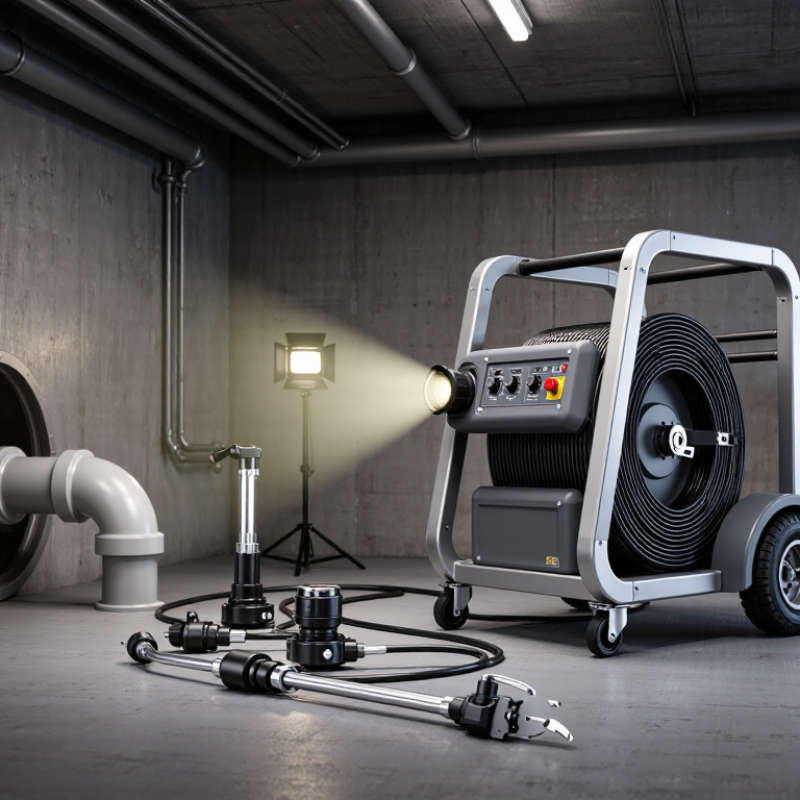
A sewer line cleaning machine is equipment used to remove obstructions and buildup inside drain and sewer pipes. It may use a rotating cable with a cutting head, or pressurized water from a hose and nozzle. The right method depends on the pipe’s diameter, material, access point, and blockage. Grease, roots, and compacted debris do not respond identically. That matters underground.
A cable machine can break through a localized clog, while water-jetting equipment can flush residue from pipe walls. Neither method repairs a collapsed or badly damaged line. A camera inspection can help identify what is happening before or after cleaning. In the field, access can be awkward: a narrow cleanout, standing water, or a sharp bend may change the approach.
The U.S. Environmental Protection Agency’s 2022 Clean Watersheds Needs Survey estimated $630.1 billion in wastewater infrastructure needs over 20 years. That figure covers broad infrastructure needs, not cleaning-machine demand. Still, it points to the scale of upkeep facing wastewater systems.
Choosing equipment means matching its reach and cleaning action to the actual pipe—not simply choosing the most powerful option. Even a good assessment can miss something. A second look may be worthwhile.
How Sewer Line Cleaning Machines Remove Blockages
Why Choose a Sewer Line Cleaning Machine?
How Sewer Line Cleaning Machines Remove Blockages
A sewer line cleaning machine clears obstructions by applying mechanical force or pressurized water. A cable machine feeds a rotating steel cable into the pipe. Its cutting head can break apart roots, paper, and compacted debris. The operator withdraws the cable and removes loosened material. Small details matter. A worn cutter or poorly judged feed can leave residue behind.
A hydro-jetting machine sends high-pressure water through a specialized nozzle. Rear-facing jets propel the hose forward and scour grease and sediment from pipe walls. The loosened debris then flows toward an access point for removal. A camera inspection can help locate the blockage and check the pipe before and after cleaning. A jet is not automatically better: fragile or damaged pipes may need lower pressure or another method.
The need is substantial. The U.S. Environmental Protection Agency’s 2004 Report to Congress on sanitary sewer overflows estimated 23,000 to 75,000 overflows annually in the United States. That dated estimate is not a measure of every blockage, but it shows why reliable maintenance matters. The right machine depends on the obstruction, pipe condition, and access. The choice is not always obvious, so operators should inspect and reassess rather than assume one pass solved everything.
Why choose a sewer line cleaning machine? It feeds a flexible cable into the pipe, where an attachment can break up or cut through an obstruction. Water flushing and a follow-up inspection help clear and check the line. The chart shows the typical sequence of operation, not measured performance data.
Benefits Compared with Other Cleaning Methods
A sewer line cleaning machine can clear stubborn blockages more consistently than basic hand tools. Its powered cable travels through bends and pushes a cutting head into roots, compacted paper, or debris. Compared with a hand-fed rod, it usually needs less physical force and can reach farther along the pipe. That matters in older homes, where a clog may sit beyond the first few feet. No magic, though. The right cable and cutter depend on pipe size, material, and the type of obstruction.
Chemical drain cleaners may loosen some buildup, but they cannot retrieve a solid object or cut through heavy roots. They can also leave harsh liquid in a line that still needs mechanical work. Hydro jetting uses high-pressure water to scour pipe walls, which can be useful for grease and sludge. However, a technician should check pipe condition first; fragile or damaged sections may not tolerate that pressure. A cable machine is often a more controlled option for targeted clearing, though it may leave residue behind. A camera inspection can help verify the result. It is an extra step, and sometimes it finds a problem the cleaning could not fix.
Why Choose a Sewer Line Cleaning Machine? - Benefits Compared with Other Cleaning Methods
| Cleaning method | How it works | Best suited for | Key benefits | Limitations and considerations |
| Powered sewer line cleaning machine | Rotates a flexible cable or cutting attachment through the pipe to break up or retrieve obstructions. | Localized blockages, including some roots, debris, and buildup, when the pipe is accessible and the appropriate cutter is used. | Provides mechanical reach into sewer lines; can clear many obstructions without excavation; interchangeable attachments can suit different blockage types. | May open a passage without fully removing grease or residue from pipe walls. Incorrect use can damage a deteriorated or fragile pipe. A camera inspection may be needed to identify structural problems. |
| Hydro jetting | Uses high-pressure water directed through a specialized hose and nozzle to scour pipe walls and flush loosened material downstream. | Grease, sludge, and widespread deposits in pipes that are in suitable structural condition. | Can clean a broader section of the pipe interior than a basic cable pass and carry loosened debris away with water. | Requires appropriate equipment and trained operation. High pressure may worsen damage in weak, cracked, or already compromised pipes, so condition assessment is important. |
| Manual hand auger | A hand-operated cable is fed and turned through a drain to reach or dislodge a nearby obstruction. | Small, accessible clogs in fixtures or short drain sections. | Simple to use for minor blockages and does not require a powered machine or chemical treatment. | Limited by operator effort, cable length, and reach; generally less suitable for deep or stubborn main-line blockages. |
| Chemical drain cleaner | A chemical product reacts with or breaks down certain materials in a drain. | Only specific minor clogs when the product label confirms it is appropriate for the drain and pipe materials. | Can be easy to apply for some small drain problems without mechanical equipment. | Does not remove roots or repair pipe damage, and is often ineffective for sewer-line obstructions. Some products can create handling hazards or harm certain pipe materials and plumbing components. |
| Overall comparison | A powered sewer line cleaning machine is a practical choice when a mechanical tool is needed to reach and break up an obstruction. Hydro jetting may be more suitable for wall deposits, while a hand auger is often sufficient for a nearby minor clog. The right method depends on the blockage, pipe size and condition, and access point; recurring problems may require a sewer camera inspection. |
Note: Results vary with pipe condition, blockage type, equipment, and operator technique. Follow applicable safety guidance and equipment instructions.
How to Choose the Right Sewer Line Cleaning Machine
Choosing the right sewer line cleaning machine starts with the pipe, not the motor. Measure the line’s diameter, estimate its length, and identify likely blockage materials. Grease and soft buildup may call for a different setup than roots or packed debris. If the pipe’s condition is unclear, a camera inspection can help prevent an expensive mismatch. It is a useful step, though not every job requires one.
Consider access and workload. A compact machine is easier to move through a narrow basement doorway. Longer runs may need extra cable reach and torque. Check for compatible cable sizes, controlled feed, and a practical way to retrieve tangled cable. Safety matters too. Look for stable footing, protective guards, and controls that allow a quick stop. Follow the operating instructions and use appropriate eye and hand protection.
Think about maintenance, storage, and who will operate the equipment. A machine that is too heavy or awkward may sit unused, even when its specifications look impressive. A common oversight is focusing on maximum reach while overlooking tight bends in the drain. Ask about replacement parts, service support, and training before purchasing. There is no perfect choice. Match the machine to the work you handle most, while allowing for occasional tougher jobs.



 Close

