Why Are French Doors a Popular Patio Door Choice?
French doors remain a popular patio choice because they bring daylight, garden views, and a sense of openness into a room. Their paired glass panels create a balanced look, whether they open onto a small balcony or a broad backyard deck. For homeowners researching “French Doors Patio Doors,” the appeal is practical as well as visual: both panels can open wide when carrying chairs, serving trays, or potted plants outside. The difference is noticeable. A bright room can feel more connected to the garden, even on an ordinary afternoon.
Still, the right door depends on the home. Traditional hinged French doors need clear floor space, so a table or narrow walkway may limit how far they open. Sliding doors can suit tighter layouts better. Check the threshold, frame material, locking hardware, and weather seals before choosing a style. These details affect daily use, comfort, and upkeep. Glass can improve natural light, but its performance varies with the glazing and installation. Ask a qualified installer how the door will handle your climate and exposure to rain or strong sun. A sample in a showroom may look perfect; the same finish can feel different beside your own floors and walls. That part is easy to overlook. French doors are not automatically the best answer for every patio, but thoughtful measurements and a careful product comparison can help you decide whether their generous opening and classic appearance suit your space.
What Defines French Doors as a Patio Door Style?
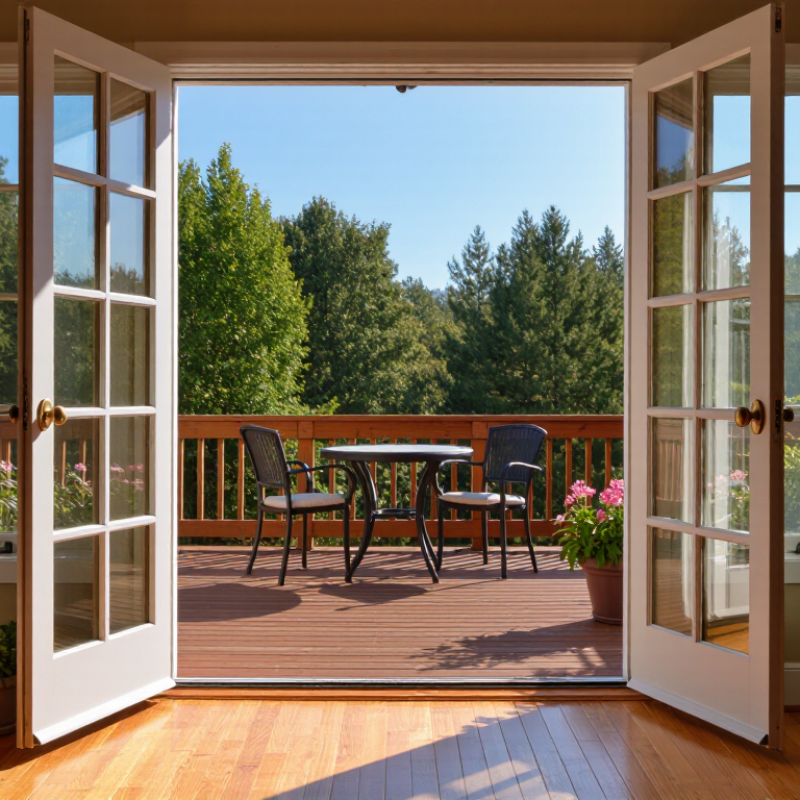
French doors are a patio door style defined by two hinged panels, usually with glass across much of each panel. The panels meet in the middle and swing open, creating a broad passage to a garden, deck, or patio. Some designs have one active panel and one panel that stays secured until needed. That detail affects everyday use.
Large glass panes bring daylight into a room and keep the outdoor view visible. Divided panes, sometimes called grilles, can give the doors a more traditional appearance. Frames may be made from wood, fiberglass, or metal, and their insulation and upkeep needs vary. French doors are not defined by one exact look; panel layout and hardware differ. One easy assumption to question: both panels always open. Often, only one does.
Tips: Check the swing space before choosing an inward- or outward-opening design. Measure the opening carefully, and ask how the threshold handles rain. If you plan to use both panels often, test the latch and handles in person. Small hardware details matter.
How Do French Doors Connect Indoor and Outdoor Spaces?
French doors make the patio feel like part of the room. Their glass panels frame the garden, while opening both leaves creates a broad passage for people, fresh air, and serving trays. In practice, that can make a small dining room feel less boxed in on a mild evening. Light moves deeper. The connection is not automatic, though: a raised threshold, tight swing clearance, or heavy curtains can interrupt it.
Houzz’s 2024 U.S. Houzz & Home Study reported that 54% of surveyed homeowners renovated in 2023. The study does not isolate French-door projects, but it offers useful context: homeowners continue to invest in their living spaces. For doors, the practical details matter as much as the view. Check how the panels swing, whether furniture blocks them, and how the seals handle wind and rain. A beautiful opening can be awkward in daily use.
Tips: Measure the full swing before choosing furniture. Keep the threshold as low as practical, and select glazing suited to your climate. Try the route with a laundry basket or serving tray. It reveals snags quickly.
What Design Features Make French Doors Appealing?
French doors appeal because they frame the patio like a picture, with two glazed panels that swing open together. Their balanced proportions suit both traditional homes and simpler, modern rooms. Slim muntins can add visual rhythm; clear glass keeps the view open. When sunlight falls across a timber floor, the room feels connected to the garden. A practical detail: check the swing direction and allow space for furniture nearby.
Glazing matters as much as the frame. The U.S. Department of Energy notes that low-emissivity coatings can reduce window energy loss by about 30–50%. ENERGY STAR guidance estimates that certified window replacements save households around 12% on energy bills, on average. These figures describe windows, not every French door, so compare each door’s NFRC-rated U-factor and solar heat gain coefficient before choosing. A bright doorway can still overheat a west-facing room.
The appeal is not purely visual. French doors provide a wide opening for carrying trays outside, yet each leaf can open separately for everyday ventilation. Multi-point locks and laminated or tempered glass can improve security and durability, depending on the model. Still, hinged doors need clear floor space, and their seals need careful installation. I like their gracious look, but the extra maintenance is easy to underestimate.
What Practical Benefits Do French Doors Offer?
French doors offer a wide, familiar passage between a living area and patio. Open both leaves, and carrying a tray outside feels easier than squeezing through a narrow opening. Their glass panels also bring daylight deeper into a room, which can make a small dining area feel less enclosed. They suit rooms where there is clear space for the doors to swing. That detail matters: furniture or a tight walkway can make the opening awkward.
Energy performance depends on the complete door, not its appearance. The U.S. Department of Energy’s Energy Saver guidance estimates that heat gain and loss through windows account for 25%–30% of residential heating and cooling energy use. This is not a French-door-specific figure, but it shows why glazing and sealing deserve attention. Check the National Fenestration Rating Council label for U-factor and solar heat gain coefficient, then compare products for your climate. Not automatically efficient. A poorly sealed meeting point between the two doors can invite drafts, especially in older homes. Good weatherstripping, careful installation, and a secure latch help; still, inspect the threshold and door edges over time.
What Factors Influence Their Suitability for a Patio?
French doors are often chosen for patios because two hinged panels can create a generous opening and bring daylight indoors. Their suitability depends on the room as much as the view. Measure the clear opening, then check whether each panel has space to swing without hitting furniture, planters, or a walkway. That detail is easy to miss. In a compact dining area, even a chair pulled back can obstruct a door.
Local weather and everyday use matter, too. Look for well-fitted seals and glazing suited to the home’s climate; gaps can make a bright doorway uncomfortable in windy or cold conditions. If the patio is used often, consider a low threshold and hardware that feels easy to operate. Glass offers light, but nearby homes or direct afternoon sun may call for blinds or suitable glazing. Wood can need regular upkeep, while other frame materials have different care needs. There is no perfect option. A practical choice balances the desired wide opening with available space, privacy, maintenance, and the quality of installation.



 Close

