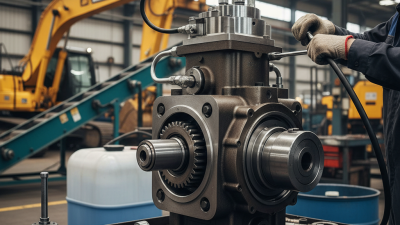
| Gear motor |
General-purpose drives, conveyors, agricultural equipment, and simpler mobile or industrial systems. |
Usually a fixed-displacement design; commonly used at moderate-to-high shaft speeds and moderate system pressures. Actual limits vary by model. |
Simple construction, compact size, and generally straightforward installation and service. |
Check continuous and peak pressure, speed range, allowable case pressure, port size, and required starting torque. |
Keep oil clean; inspect for leaks, unusual noise, overheating, and signs of wear. Replace seals and components according to service findings and the maker’s instructions. |
| Gerotor / orbital motor |
Low-speed, high-torque drives such as wheel drives, augers, winches, and material-handling equipment. |
Typically fixed displacement, with useful torque at low speeds. Available pressure, speed, and displacement ranges differ substantially among designs. |
Good low-speed torque and compact packaging; many configurations suit intermittent or continuous rotation. |
Match displacement to torque and speed needs; confirm continuous-duty rating, allowable return pressure, and whether case drainage is required. |
Use the specified oil and filtration; check shaft seals, mounting, hoses, and case-drain flow where applicable. Avoid sustained operation beyond rated limits. |
| Vane motor |
Applications needing smooth rotation, relatively low noise, and moderate-speed operation. |
Often provides smooth output over a useful speed range; fixed- and variable-displacement versions are available. |
Smooth operation and low pulsation can be helpful in systems sensitive to vibration or noise. |
Verify pressure and speed ratings, fluid compatibility, starting conditions, and suitability for the required duty cycle. |
Maintain clean fluid and correct viscosity; monitor for loss of performance, noise, heat, and leakage. Inspect internal wear if output deteriorates. |
| Axial-piston motor |
High-power mobile or industrial systems, hydrostatic drives, and applications requiring variable speed or high operating pressure. |
Fixed- or variable-displacement designs; some models support high pressure and a broad speed range when correctly configured. |
High power density and options for precise speed control, reversible operation, and system integration. |
Confirm pressure, speed, displacement-control method, case-drain requirements, charge or flushing needs, and compatibility with the hydraulic circuit. |
Follow strict cleanliness and fluid specifications; monitor case-drain flow, temperature, and contamination. Use qualified service procedures for internal inspection or repair. |
| Radial-piston motor |
Heavy-duty, low-speed, high-torque equipment such as mixers, crushers, winches, and large rotary drives. |
Often designed for high torque at low shaft speeds; some configurations allow direct drive without a gearbox. |
Strong low-speed torque capability and suitability for demanding loads in appropriately rated systems. |
Consider package size, starting torque, load peaks, mounting loads, speed range, and the motor’s pressure and drainage requirements. |
Check lubrication and filtration requirements, case pressure, mounting bolts, and connections. Investigate overheating, vibration, or changing case-drain flow promptly. |



 Close
Close