Why Choose a Hydraulic Engine for Your Equipment?
Why Choose a Hydraulic Engine for Your Equipment?
Choosing a Hydraulic Engine begins with understanding the work, not chasing impressive specifications. In many applications, the term describes a hydraulic motor that converts pressurized fluid into controlled rotary power. That distinction matters. A motor drives the load, while the pump supplies the pressure. Confusing them can create costly design errors.
Industry demand remains substantial. MarketsandMarkets reported that the global hydraulic equipment market could grow from approximately USD 49.7 billion in 2023 to USD 58.8 billion by 2028. Grand View Research also forecasts continued expansion, although its estimates differ because market boundaries vary. The difference deserves attention. Reports are useful, but they are not identical measurements. They reflect different equipment categories, regions, and assumptions.
Field experience explains the attraction. A compact hydraulic motor can deliver high torque beside a tracked excavator’s dusty sprocket. It can start under heavy load and operate smoothly at low speed. These qualities support construction machinery, agricultural equipment, winches, conveyors, and mobile systems. ISO 4413 emphasizes safe hydraulic-system design, including pressure control, hose integrity, and maintenance practices. Reliability depends on those details. It does not come from the motor alone.
Hydraulic power also has limitations. Leaking fittings waste energy and create safety risks. Poor filtration accelerates wear. Heat can reduce fluid life and shorten component service intervals. The U.S. Department of Energy’s industrial efficiency guidance repeatedly highlights leakage control, proper sizing, and preventive maintenance. Therefore, the right question is not simply, “Is hydraulic power strong?” It is more practical: does this Hydraulic Engine match the duty cycle, environment, control requirements, and maintenance capability of your equipment? That answer requires evidence, testing, and occasional reconsideration.
What Is a Hydraulic Engine and How Does It Work?
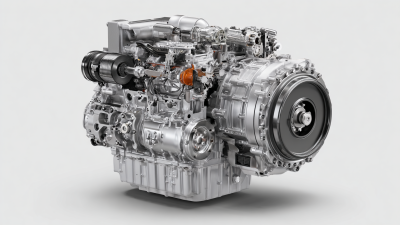
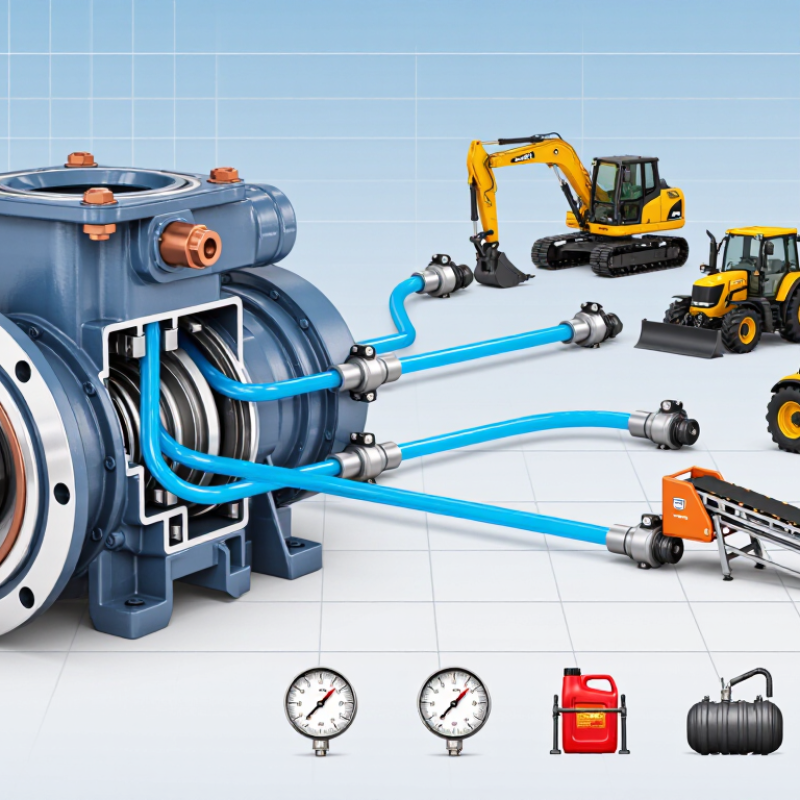
A hydraulic engine, commonly called a hydraulic motor, converts pressurized fluid into mechanical rotation. A pump sends oil through a control valve. Pressure pushes pistons, gears, or vanes inside the motor. The rotating shaft then drives a winch, conveyor, drill, or tracked machine.
Torque depends mainly on displacement and pressure. Speed depends on fluid flow. This separation gives hydraulic systems strong low-speed torque and precise load control. In field maintenance, a warm hose, foamy oil, or a slow actuator often signals leakage, air entry, or restricted flow. Small faults matter. They can quietly reduce output and raise operating costs.
Hydraulic Institute life-cycle-cost guidance indicates that energy can represent about 40% of a pumping system’s ownership cost. The U.S. Department of Energy also identifies correctly sized pumps, reduced pressure losses, and leak control as major efficiency measures. These findings apply directly to hydraulic power units, although real performance varies with temperature, contamination, load, and maintenance quality. A practical design should match motor displacement to the required torque, then verify flow, pressure, and heat generation under actual working conditions. Calculations alone can mislead. A system that looks efficient on paper may waste energy through relief-valve flow or oversized components.
Why Choose a Hydraulic Engine for Your Equipment?
A hydraulic engine, commonly called a hydraulic motor, converts pressurized fluid flow into rotary motion. The chart shows the calculated output torque of a 100 cm³/rev hydraulic motor at different pressure levels, assuming 90% mechanical efficiency. Higher hydraulic pressure produces higher torque, making hydraulic motors suitable for heavy-duty equipment requiring strong, controllable power in a compact design.
Calculation basis: Torque = Pressure × Displacement × Efficiency ÷ 2π. Values are engineering calculations in newton-metres (Nm), using a constant displacement of 100 cm³/rev and 90% mechanical efficiency.
What Are the Main Types of Hydraulic Engines?
Hydraulic motors convert pressurized fluid into rotary motion. The main types are gear, vane, and piston motors. Gear motors are simple, compact, and tolerant of moderate contamination. They suit conveyors, augers, and light-duty drives. Vane motors provide smoother rotation and lower noise. They work well where speed stability matters. Piston motors deliver high efficiency and torque, especially under heavy loads. However, they cost more and demand cleaner fluid.
Orbital motors deserve separate attention. Their low-speed torque makes them useful for wheels, winches, and compact agricultural machinery. Radial piston motors handle very high torque at low speed. Axial piston motors usually offer better efficiency at higher operating pressures. A 2024 MarketsandMarkets outlook identifies mobile hydraulics as a major equipment segment, driven by construction and agricultural machinery. That demand favors motors that balance torque, efficiency, and serviceability.
Selection should begin with torque, speed, pressure, displacement, duty cycle, and fluid temperature. The National Fluid Power Association reports that fluid power supports millions of industrial and mobile applications in North America, but efficiency losses remain a practical concern. In the workshop, a warm return line, noisy pump, or slow actuator may reveal poor sizing. I have found that “more powerful” is not always better. It can increase heat, leakage, and maintenance. ISO 4406 cleanliness checks, correct filtration, and measured load data provide more reliable decisions than catalog claims. Yet field conditions are rarely perfect. That is where careful testing matters.
Why Choose a Hydraulic Engine for Your Equipment? - What Are the Main Types of Hydraulic Engines?
| Hydraulic Motor Type |
Operating Principle |
Typical Continuous Pressure |
Typical Speed Range |
Typical Efficiency |
Main Advantages |
Common Limitations |
Typical Applications |
| Gear Motor |
Pressurized fluid turns two or more meshing gears, producing rotary motion. |
Approximately 100–250 bar |
500–3,000 rpm |
About 75–90% |
Compact, simple, economical, and tolerant of demanding working conditions. |
Higher noise, greater leakage at low speed, and lower efficiency than many piston designs. |
Conveyors, agricultural machinery, fans, pumps, and general industrial equipment. |
| Vane Motor |
Hydraulic pressure pushes sliding vanes mounted in a rotor inside an offset housing. |
Approximately 70–175 bar |
300–3,000 rpm |
About 75–90% |
Smooth rotation, relatively low noise, and good performance at moderate speeds. |
More sensitive to contaminated fluid and usually less suitable for very high pressure. |
Machine tools, winches, material-handling systems, and light-to-medium industrial drives. |
| Axial Piston Motor |
Multiple pistons move axially in a cylinder block; a swash plate or bent axis converts the motion into rotation. |
Approximately 250–450 bar |
500–4,000 rpm |
About 85–95% |
High power density, high pressure capability, strong efficiency, and variable displacement options. |
Higher cost, more complex construction, and greater sensitivity to fluid cleanliness. |
Excavators, mobile drives, hydrostatic transmissions, injection equipment, and heavy industrial machinery. |
| Radial Piston Motor |
Pistons are arranged radially around a central shaft and generate torque through a cam ring or crank mechanism. |
Approximately 250–700 bar |
Very low to approximately 1,500 rpm |
About 85–97% |
Very high starting torque, excellent low-speed control, and strong load-holding capability. |
Larger and heavier than many other motor types, with higher purchase and maintenance costs. |
Winches, drilling equipment, crushers, heavy conveyors, and high-torque industrial drives. |
| Orbital / Gerotor Motor |
An internal gear set orbits and rotates as hydraulic flow is directed through a series of working chambers. |
Approximately 100–250 bar |
10–1,000 rpm |
About 75–90% |
High starting torque, compact design, smooth low-speed operation, and easy installation. |
Limited maximum speed and reduced efficiency when operated outside the recommended pressure and speed range. |
Augers, steering systems, agricultural implements, conveyors, and small mobile machines. |
|
Why choose a hydraulic motor? Hydraulic motors provide high torque in a compact package, allow flexible placement through hoses, support variable speed control, and can deliver reliable power in heavy-duty environments. Actual pressure, speed, efficiency, torque, and service life depend on displacement, fluid viscosity, operating temperature, filtration, load profile, and the specific motor design. The figures above are typical engineering ranges rather than universal ratings.
|
How Does a Hydraulic Engine Power Equipment?
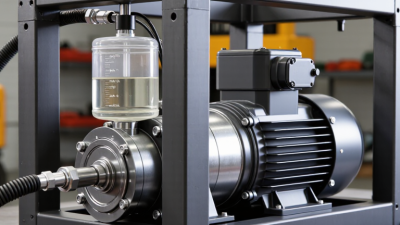
A hydraulic engine powers equipment by turning fluid pressure into controlled mechanical force. An engine or electric motor drives a hydraulic pump, which pushes oil through reinforced lines. The pump does not create movement alone. Valves direct the pressurized fluid toward a hydraulic motor or cylinder.
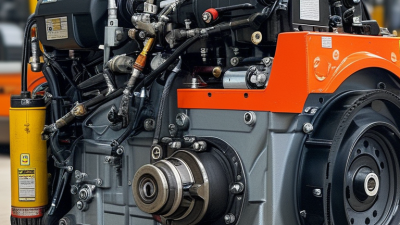
Inside a hydraulic motor, oil enters small chambers and pushes against gears, pistons, or vanes. This pressure produces torque, allowing tracks, wheels, winches, and augers to rotate. In a cylinder, the same pressure moves a piston forward or backward. Operators can adjust speed and force through control valves, even while handling heavy loads. The response feels smooth when the oil is clean and the system is correctly sized.
Small details matter. A clogged filter can slow an attachment within minutes. Excessive heat may signal low oil, internal leakage, or an undersized cooler. Field technicians often check hose fittings, fluid levels, operating temperature, and unusual noise before replacing major parts. Hydraulic systems are powerful, but they are not automatically efficient. Some energy becomes heat through friction and leakage. Poor maintenance makes that loss worse. A careful design balances pump flow, pressure, cylinder size, and duty cycle for dependable equipment performance.
What Advantages Does a Hydraulic Engine Offer?
A hydraulic engine can deliver strong torque from a compact package. This advantage matters when equipment must move heavy loads in tight spaces. Pressure transfers power through fluid lines, allowing flexible placement between the power source and driven component. Operators can control speed smoothly, even during slow lifting or careful positioning. That response feels especially useful on loaders, presses, and mobile construction equipment.
Hydraulic systems also handle sudden load changes well. A properly selected relief valve can protect components when resistance rises unexpectedly. During equipment inspections, technicians often check hose condition, fluid cleanliness, and operating temperature. These details affect reliability more than impressive specifications alone. Clean hydraulic fluid reduces wear inside pumps, valves, and motors. Lower wear can mean fewer interruptions and more predictable maintenance costs.
There is a limitation, though. Hydraulic power is not automatically efficient. Heat from restricted flow, worn seals, or incorrect pressure settings can waste energy. The system may also become noisy when air enters the circuit. I have seen performance decline because a small leak was ignored for too long. That is not a dramatic failure, but it can reduce lifting strength and increase service demands. Careful sizing, regular filtration, and practical operator training help preserve the engine’s advantages over time.
What Factors Matter When Choosing a Hydraulic Engine?
Why Choose a Hydraulic Engine for Your Equipment?
Choosing a hydraulic engine starts with the real workload, not the catalogue rating. Measure required torque, speed, pressure, and flow under normal and peak conditions. A unit sized only for peak demand may waste energy during most operating hours. The U.S. Department of Energy’s Pumping System Assessment Tool identifies 20–50% energy-saving opportunities in inefficient pumping systems. That figure deserves attention. I have seen oversized systems run hot, loudly, and needlessly.
Duty cycle matters just as much. Intermittent construction work differs from continuous industrial operation. Check starting torque, cooling capacity, filtration, and fluid cleanliness. ISO 4413 stresses risk reduction, pressure control, and safe hydraulic design. Contaminated fluid can damage valves and shorten component life. The European Commission’s motor-systems research reports that motor-driven systems consume about 46% of global electricity. Hydraulic efficiency is therefore more than a technical detail. It affects operating cost and emissions.
Tips: Compare flow at working pressure, not flow alone. Ask for tested efficiency data and service intervals. Leave some capacity, but avoid excessive oversizing. Consider noise, ambient temperature, installation space, and maintenance access. A cheaper engine can become expensive after repeated seal failures. No calculation is perfect. Recheck your assumptions after observing the equipment in actual service.


 Close
Close